
The Good in Doing the Uncomfortable
Why should you do uncomfortable or scary things on purpose?

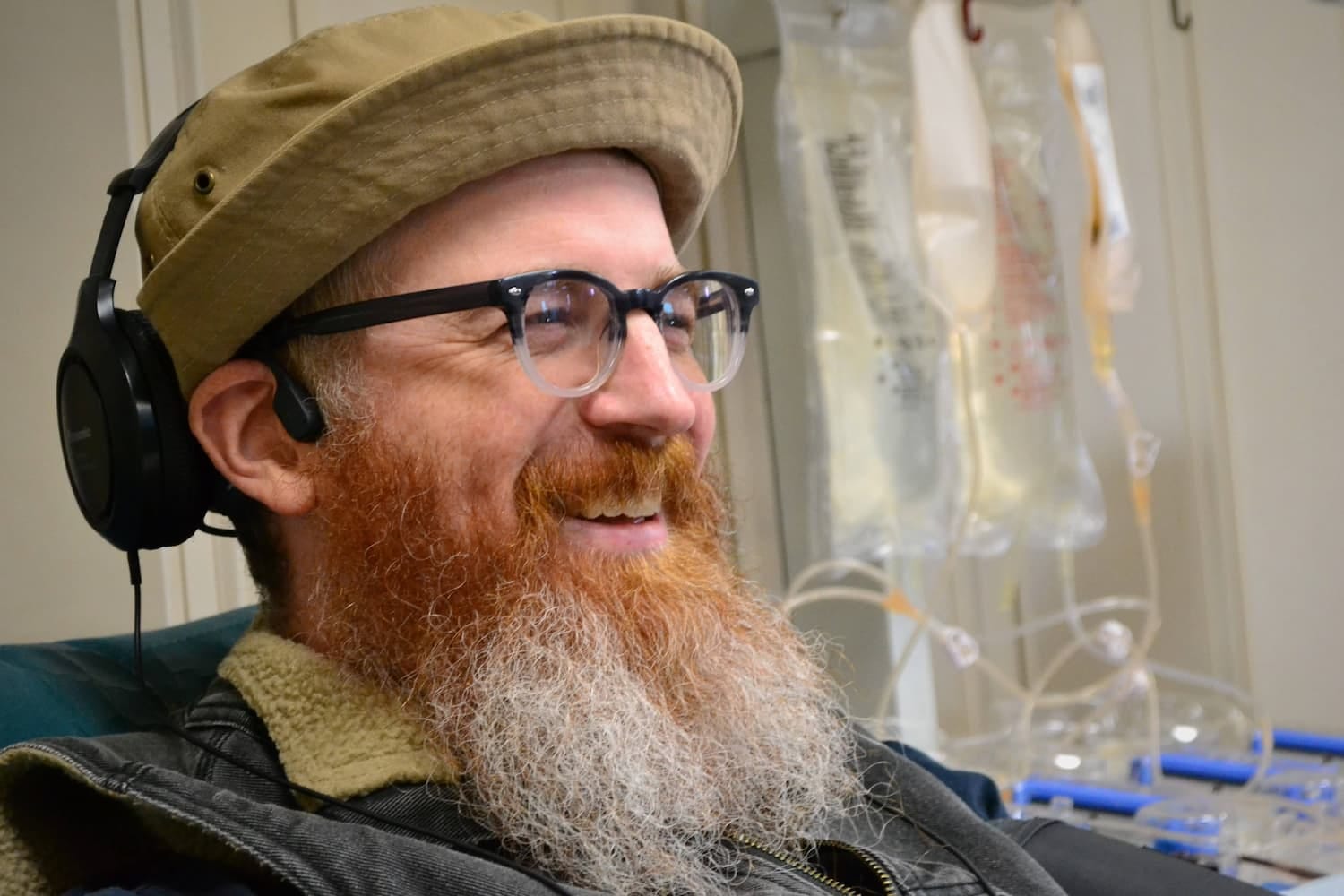
I’m not a tough guy by any means. I get the willies just from peering into the crawlspace of my own house. Despite that, I recently realized I’ve inadvertently conquered two of my past fears:
a. Needles
b. Dead folks
And no, this isn’t an ad for a new anti-anxiety medication.
So, what’s the secret sauce? I can only point to two things:
1. Exposure
2. Mindset
Let me explain.
Part 1: Why Dead People Don’t Weird Me Out Anymore
Ever since attending my uncle and grandfather’s funerals in the same month as a kid, dead bodies had weirded me out. And I guess I’m not alone – according to the Chapman University Survey of American Fears, over 20% of Americans report being ‘afraid’ or ‘very afraid’ of dead bodies. Despite being jeebed out by the dead, I’ve been simultaneously fascinated by dying, death, meditations on one’s mortality, and the rituals surrounding mourning. Yeah, I know – weird kid.
Several years ago, I took on a volunteer position with a non-profit adjacent to death and mourning rituals. This is a service for the bereaved, but my duties eventually included working directly with the dead in a funeral home setting.
Though somewhat unsettling at first, the impact that the work had on those left behind began to overcome the discomfort experienced in interacting with the dead. Over time, the dead went from morbid representations of my discomforts and insecurities about dying and death to being the spent yet cherished vessels of loved ones requiring continued preparation and care. Whereas in the beginning, I would sleep a bit uneasy the night before knowing I’d be interacting with a corpse the next day, now I feel honored to be a part of their life’s story and help bring some relief knowing I’d helped bring some amount of relief to grieving loved ones.
Just recently, I had the most peculiar realization. Upon approaching these duties one day, despite not knowing the conditions I would be walking into, I noticed something odd – complete calm. I had no anxiety or apprehension. I was eager to help and felt privileged to be able to do so.
So, what changed?
Something similar to what happened following the next story.
Part 2: Why Needles Don’t Bother Me Anymore
Several years ago, I felt the urge to step up to the plate to be a blood donor – following in the footsteps of my dad, a decades-long donor and American Red Cross volunteer.
Showing up for my first blood donation appointment in several years, the volunteer asked if I would consider donating platelets instead – as they were in greater need. I’m pretty sure my response was something like: “Sure! – psst…Hey Google, what are platelets?“
Platelets are blood cell fragments produced in the bone marrow that prevent bleeding by clumping to seal damaged blood vessels. Platelet levels can become dangerously low in people with various forms of cancer, such as leukemia, also with low levels exacerbated by radiation and chemotherapy. The availability of supplemental platelet donations can be the difference not only in a higher quality of life for cancer patients, but even playing a role in the long term success of their treatment.
The donation process for platelets is a little different as well. Unlike whole blood donation with a single needle and performed in 20-30 minutes, platelet donation involves two needles (one in each arm) and can take around two hours. The process involves taking blood from one arm, running it through a centrifuge called an apheresis machine that spins the platelets from the blood. These golden liquid platelets spill into a hanging bag while the processed blood runs through a return line back into the donor’s opposite arm. While this is taking place, there’s nothing much one can do besides sit back, relax, and surf a provided Netflix screen.
And while the process itself is largely painless while donating, the needles themselves are much larger than that of your average booster shot or IV needle. Whereas a vaccination can feel like the lightest prick, needles for blood or platelet donation are more akin to a pronounced pinch. And for platelets, you have one in each arm.
The first needle prick still took me by surprise. As the attendant sterilized my other arm for the second needle, I tensed up – bracing for the puncture, which made the sensation all that much more painful. But with both needles in place, I soon forgot my body’s entire blood volume was running into a machine as I decided what Netflix show to watch next.
Removing the needles two hours later, the attendant told me that because I received all of my blood back and a healthy body can regenerate platelets in 24-72 hours, I was technically eligible to schedule my next appointment as soon as a week later. With the memory of being jabbed with two needles still fresh, I’m not proud to say that my next appointment wasn’t for several months.
At the next appointment, as the attendant began to sterilize the injection site, I began to think about the plight of the recipient of this donation.
Here I was, a perfectly healthy person, wincing over a needle stick just before watching a comedy special, only to walk out on my own two feet with no residual effects beyond feeling like I’d just experienced two hours in the car. They, other hand, were facing the physical and mental ramifications of a cancer diagnosis and aggressive treatment.
As the needles were slid into my veins, they suddenly didn’t feel half as painful as they did before. The main sensation felt was that of being such a wuss before when considering my platelet recipient – someone I’d never meet, but who would be one step closer to relief thanks to my medically-themed Netflix binge experience.
Does it still hurt to donate platelets? Yes, every time. But what hurts more than donating platelets is not donating platelets.
I’ve never regretted donating. Though my legs are stiff from sitting, inner arms slightly tender, and jaw a little tight thanks to the citrate anticogulant used to keep blood from clotting in the lines, I feel invigorated knowing I’ve helped someone. And the occasional free t-shirt doesn’t hurt either.
So, let’s get to the point.
These stories are not meant to convey how brave I am. I am not. (Despite spending a few late nights in a funeral home, I still can’t handle most jump-scare style horror movies.) No, these stories are merely chronicled after-the-fact realizations about once-fears dissipated by mere gradual exposure that resulted in long-term mindset shift. This is the underrated benefit of purposely doing hard, uncomfortable things – even in the lowest doses. Whether a physical feat or emotionally challenging effort, doing hard things on purpose helps you grow.
Most of us realize that many of our fears are irrational – often more about avoiding mere discomfort rather than genuine pain or suffering. However, if we continue to pad and soften our existence, when genuine inadvertent discomfort comes around, we find ourselves ill-equipped to handle it, which can result in more severe anxiety and genuine suffering.
When we purposefully and responsibly expose ourselves to uncomfortable situations, we not only become better conditioned to handle them, we learn what we’re made of. This alone can greatly shape how we view our own resilience. Suddenly, life’s unintentional discomforts don’t pack as much of a wallop – not just through exposure, but through the mindset shift that exposure brings.
Try doing something uncomfortable today. Your future self will thank you.